









Why Your Amp Sounds Bad (and How to Improve It)
If your guitar tone sounds thin, muddy or just not quite right, the amp is often the first thing players blame. In reality, poor guitar amp sound quality is rarely caused by a single issue. It is usually the result of a few small factors adding up.
The good news is that most of these problems are easy to fix once you know what to look for. Whether you are playing at home, rehearsing or gigging, a few simple adjustments can transform your sound without needing to replace your gear.
This guide breaks down the most common reasons your amp might sound bad and shows you how to improve it in a practical, realistic way.
Your settings are working against you
One of the biggest causes of poor tone is simply how the amp is set.
It is easy to turn everything up or scoop the mids in search of a bigger sound, but this often results in a tone that lacks clarity and disappears in a mix.
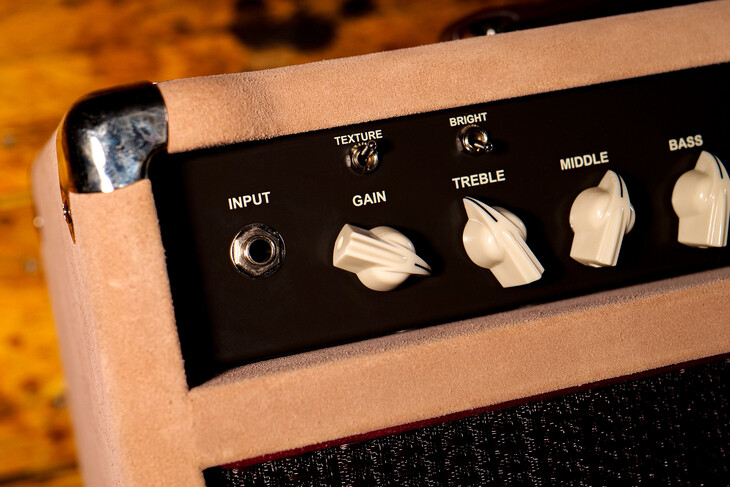
Start by resetting your EQ controls to a neutral position. From there, make small adjustments. Increase mids to help your guitar cut through, use bass sparingly to avoid muddiness and add treble carefully to maintain clarity without harshness.
Small changes make a big difference. Avoid extreme settings unless you have a specific reason.
You are playing too quietly
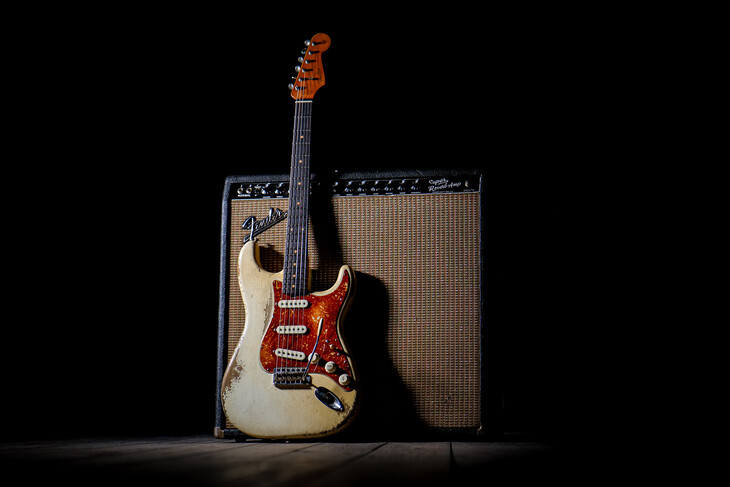
Many amps, particularly valve amps, are designed to sound their best when they are pushed slightly.
At very low volumes, your tone can feel flat and lifeless. If possible, increase the volume gradually and adjust the gain to maintain balance.
If volume is a concern, consider using a lower wattage amp or a model designed for home use. This allows you to achieve better guitar amp sound quality without overwhelming your space.
Your guitar and amp are not matched well
Not all guitars interact with amps in the same way. For example, high-output pickups can push an amp harder, while lower-output pickups may sound cleaner and more open. Understanding this relationship helps you dial in a better tone.
The same applies across different setups, including bass amps and acoustic amps, where the input signal and tonal requirements vary significantly.
If your sound feels off, try adjusting your amp settings to suit your guitar rather than relying on one fixed setup.
Your cables and connections are affecting your tone
It is easy to overlook cables, but they play a crucial role in your signal chain.
Poor quality or damaged cables can introduce noise, reduce clarity and weaken your overall tone. If your sound seems dull or inconsistent, swapping out your cable is a quick and often effective test.
Reliable cables help preserve your tone from guitar to amp without unwanted interference.
You are using too much gain
More gain does not always mean better tone.
Excessive gain can make your sound muddy and undefined, especially when playing chords. It can also introduce unwanted noise.
Try reducing the gain and increasing volume instead. This often results in a clearer, more dynamic tone that responds better to your playing.
For many styles, less gain actually gives you more control and expression.
Speaker placement and room acoustics
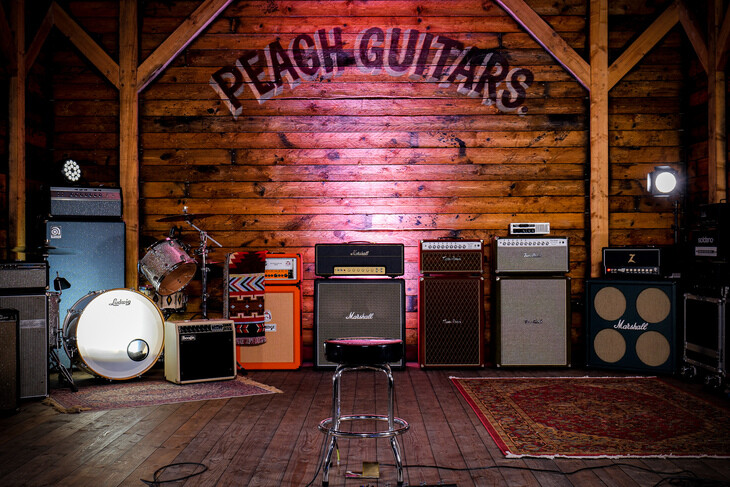
Where your amp sits in the room has a bigger impact than many players realise.
Placing your amp directly on the floor can increase bass response, sometimes making your sound overly boomy. Positioning it slightly off the ground or angled towards you can improve clarity.
Rooms with hard surfaces can reflect sound and create harshness, while heavily carpeted rooms may absorb too much high end.
Experiment with placement before changing your settings. You may find the solution is already in the room.

Your strings and setup are holding you back
Old strings can make even the best amp sound dull. If your tone lacks brightness or definition, fresh strings can make an immediate difference. Likewise, a poorly set up guitar can affect sustain, tuning and overall response.
Before adjusting your amp endlessly, make sure your guitar itself is in good condition.
You are not using your controls effectively
Your guitar’s volume and tone controls are part of your sound, not just your amp.
Rolling back the volume slightly can clean up your tone without touching the amp. Adjusting the tone control can remove harshness or add warmth. Learning how your guitar and amp interact gives you far more control over your sound.
Do you need new gear?
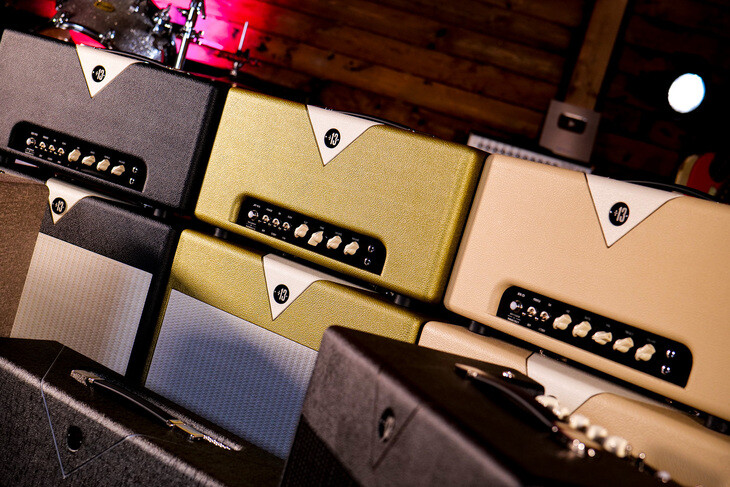
Upgrading your amp can improve your tone, but it is rarely the first step.
Modern guitar amps from brands such as Marshall, Fender, Line 6, Blackstar and Orange offer excellent sound across a wide range of budgets. However, most players can significantly improve their tone with their existing setup. Before investing in new gear, work through the basics. You may be surprised how much better your current amp can sound.
Simple steps to improve your sound today
If you want quick improvements, start here.
Reset your EQ and adjust gradually. Reduce gain and increase clarity. Check your cables and connections. Replace old strings. Adjust your amp’s position in the room. Each of these steps takes minutes but can noticeably improve your tone.
Improving guitar amp sound quality is less about finding a perfect setting and more about understanding how different elements work together. Your guitar, amp, room and playing style all play a role. Once you start making small, intentional adjustments, your tone will improve naturally. You do not need expensive gear to sound good. You just need to get the most out of what you already have.