









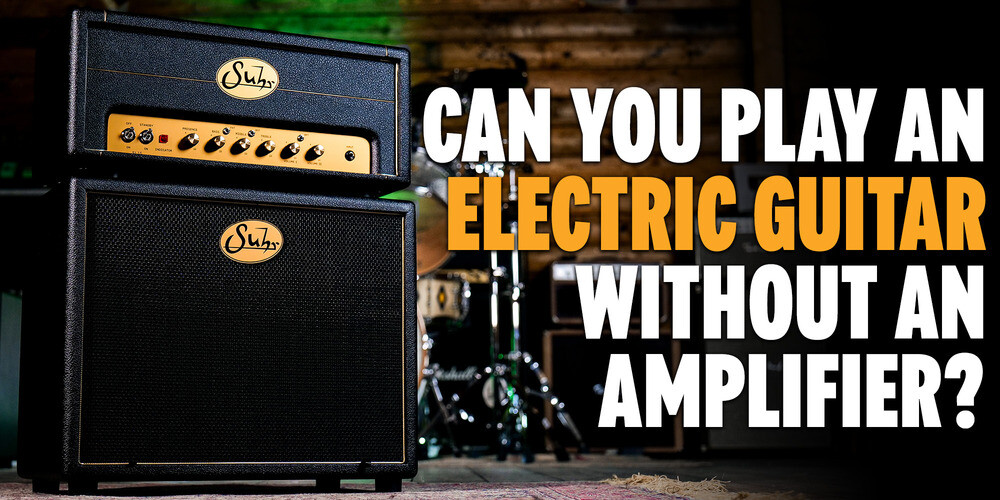
Can You Play an Electric Guitar Without an Amplifier?
If you are new to playing guitar, one of the first questions you might ask is whether you actually need an amp to use an electric guitar. The short answer is no, you can absolutely play an electric guitar without an amplifier, but there are a few important things to understand before you do.
For many players, especially those buying their first electric guitar as beginners, practising unplugged can be useful in certain situations. However, it is not the same experience as playing through an amp, and understanding the difference will help you get more enjoyment from your setup.
This guide explains what happens when you play an electric guitar without an amp, when it makes sense and what alternatives are available if you want better sound at lower volumes.
Can you hear an electric guitar without an amp?
Yes, you can.
An electric guitar still produces sound acoustically when the strings vibrate. Even without amplification, you will hear the strings and the natural resonance of the body.
However, the sound will be much quieter and thinner compared to playing through an amp. This is completely normal. Electric guitars are designed to work with pickups and amplification, so hearing them unplugged is only part of the experience.
For casual practice at home, this may be enough. For anything beyond that, you will usually want some form of amplification.
Why electric guitars sound quiet unplugged
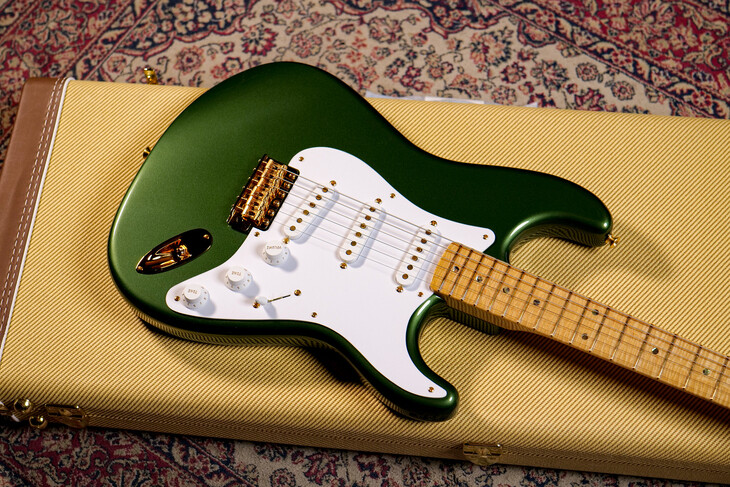
Unlike an acoustic guitar, an electric guitar does not rely on a hollow body to project sound.
Most electric guitars use solid-body construction, which keeps unwanted feedback under control and allows pickups to capture the string vibrations electronically. This design is what gives electric guitars their distinctive sustain and amplified tone.
Without an amp, you lose much of the depth, volume and character that the pickups are intended to deliver.
Is it good to practise unplugged?
Practising unplugged can actually be useful in some situations.
Playing quietly allows you to focus more on technique, timing and accuracy because mistakes are easier to hear. Many experienced players still practise unplugged occasionally for exactly this reason.
It can also make practising more convenient. You can quickly pick up your guitar without needing to set up additional equipment.
That said, relying entirely on unplugged practice is not ideal long term. Tone, dynamics and expression all behave differently through an amp, so it is important to spend time hearing your playing properly amplified as well.
Do beginners need an amplifier?
Technically, no. You can start learning basic chords, scales and exercises without one.
In practice, though, most beginners benefit from using an amp fairly early on. Part of what makes playing electric guitar exciting is the sound itself. Hearing your tone develop through proper amplification can be incredibly motivating.
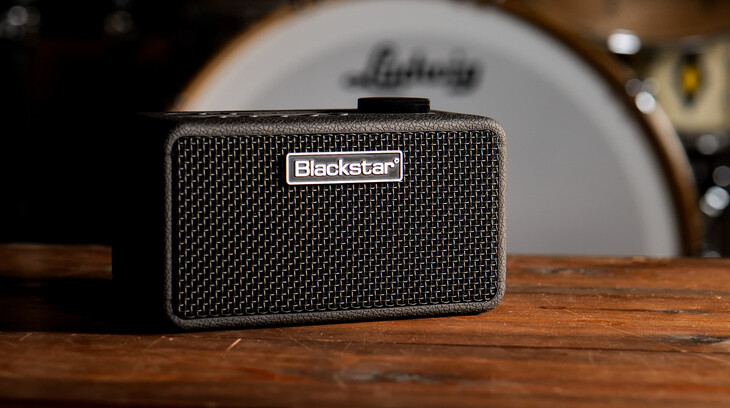
A small practice amp does not need to be expensive or complicated. Many modern guitar amps include headphone outputs, built-in effects and low-volume settings that make them ideal for home practice.
Brands such as Boss, Blackstar, Fender, Yamaha and Orange all offer beginner-friendly options that work well in smaller spaces.
What are the alternatives to a traditional amp?
If volume is a concern, there are several ways to practise quietly while still getting a better sound than unplugged playing.
Headphone amps - Compact headphone amps plug directly into your guitar and allow private practice through headphones. They are portable, simple and ideal for beginners.
Audio interfaces - An audio interface allows you to connect your guitar to a computer or tablet using amp simulation software. This gives you access to a wide range of tones without needing a physical amp.
Small practice amps - Many modern practice amps are designed specifically for home use. They offer good sound quality at low volumes and often include useful features like Bluetooth connectivity and built-in effects.
Can unplugged practice damage your guitar?
No, playing an electric guitar without an amplifier will not damage the instrument.
Your guitar functions exactly the same way mechanically whether it is plugged in or not. The only difference is how the sound is heard.
As long as the guitar is properly maintained and set up, unplugged practice is perfectly safe.
Does the type of electric guitar matter?
Some electric guitars resonate more acoustically than others.
Semi-hollow and hollow-body guitars tend to produce a louder unplugged sound due to their body construction. Solid-body models are generally quieter but still perfectly playable without amplification.
For a beginner guitar, comfort and playability matter more than unplugged volume. The goal is finding an instrument that encourages you to practise consistently.
Should you buy an amp with your first electric guitar? For most players, yes.
While you can learn without one, an amp helps you experience the instrument properly and keeps practising enjoyable. Even a small practice amp can make a huge difference to motivation and overall playing experience.
If budget is limited, it is often better to buy a solid beginner guitar and a simple practice amp rather than spending everything on the guitar alone.
Final thoughts
Yes, you can play an electric guitar without an amplifier. It is completely possible for casual practice, learning basic techniques and playing quietly at home.
However, electric guitars are designed to be amplified, and using an amp unlocks the tone, dynamics and character that make the instrument so enjoyable to play.
For beginners, the best approach is usually a balance of both. Practise unplugged when convenience matters, but spend plenty of time playing through an amp so you can hear your progress properly and stay inspired to keep playing.