









What Is The Best Electric Guitar For Beginners?
Choosing your first electric guitar as a beginner can feel overwhelming. With so many shapes, brands and price points available, it is easy to focus on the wrong things or overthink the decision entirely.
The truth is, there is no single “best” beginner guitar. The right choice depends on how a guitar feels in your hands, the music you want to play and how inspired it makes you to pick it up again tomorrow.
This guide breaks down what actually matters when choosing a beginner guitar, highlights reliable options across different styles and helps you make a confident first choice.
What makes a good beginner electric guitar?
Before looking at specific models, it helps to understand what separates a good beginner guitar from one that might slow your progress.
A strong beginner guitar should be comfortable to hold and play, easy to keep in tune, versatile enough for different styles and well-built and reliable.
You don't always need premium features or high-end components. What matters most is playability and consistency.
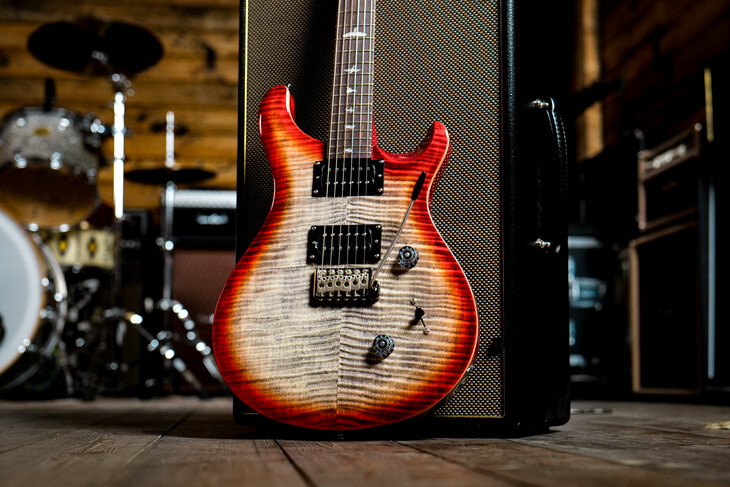
Body shape and comfort
One of the most overlooked factors is how the guitar feels physically.
If a guitar is too heavy, awkward or uncomfortable, you are less likely to practise regularly. For beginners, comfort is often more important than tone in the early stages.
Smaller body styles or contoured designs can be easier to manage, especially for younger players or those new to holding a guitar for extended periods.
Neck feel and playability
The neck is where you will spend all your time, so it needs to feel right.
A good beginner guitar typically has a smooth finish, a comfortable shape that fits your hand and low enough string height to make fretting easier.
If pressing down on the strings feels difficult, it may not be the right guitar for you, regardless of how it looks.
Pickups and versatility
Most electric guitars use either single-coil or humbucking pickups, or a combination of both.
Single-coils tend to sound bright and clear, while humbuckers are thicker and more powerful. A guitar with multiple pickup options gives you more flexibility as your playing develops.
For beginners, versatility is useful. It allows you to explore different genres without needing to upgrade immediately.
Build quality and reliability
A well-built guitar will stay in tune better, feel more stable and require less maintenance.
The trusted brands available here at Peach Guitars offer great consistency and quality control. This means you’re far less likely to encounter issues that could negatively affect your learning experience.
Recommended beginner electric guitar styles
Rather than focusing on a single “best” model, it is more helpful to look at proven styles and reliable brands.
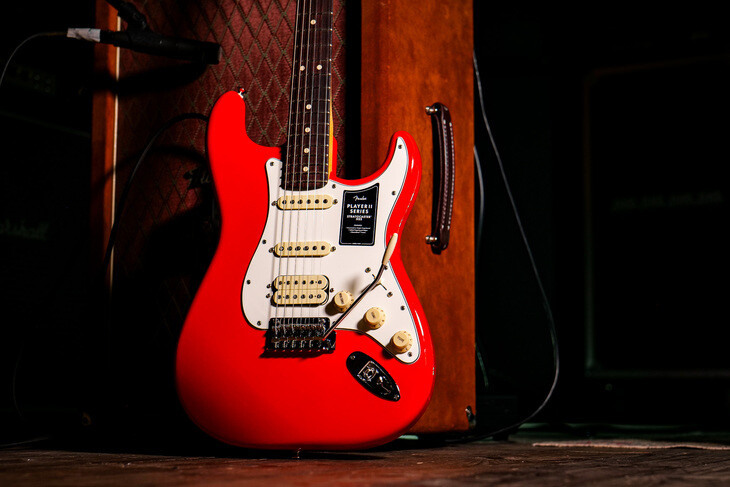
- S-style guitars
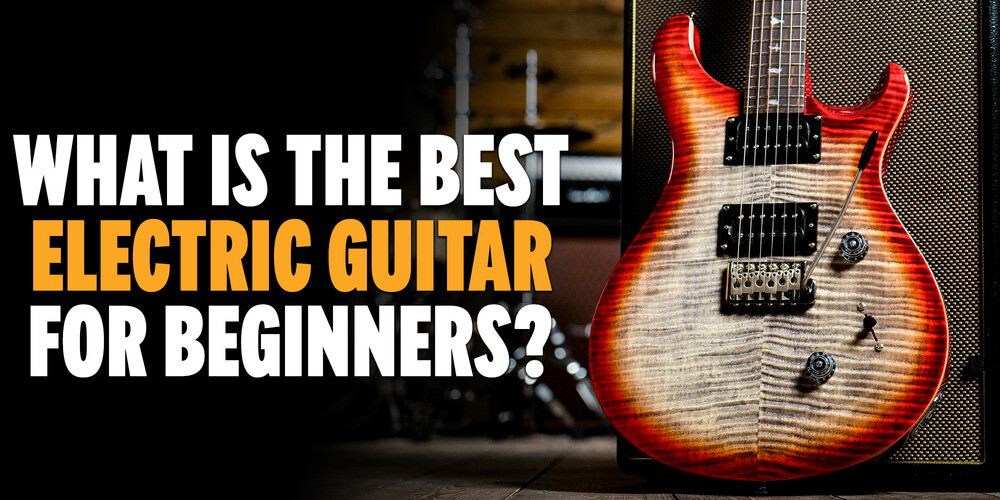
S-style guitars are often recommended for beginners because of their comfort and tonal flexibility.
Popular beginner-friendly options include models from Fender, Squier, PRS SE and Ibanez. These guitars typically offer three pickups and a wide range of tones, making them ideal for exploring different styles.
They are especially well-suited to players interested in pop, rock, blues and funk.
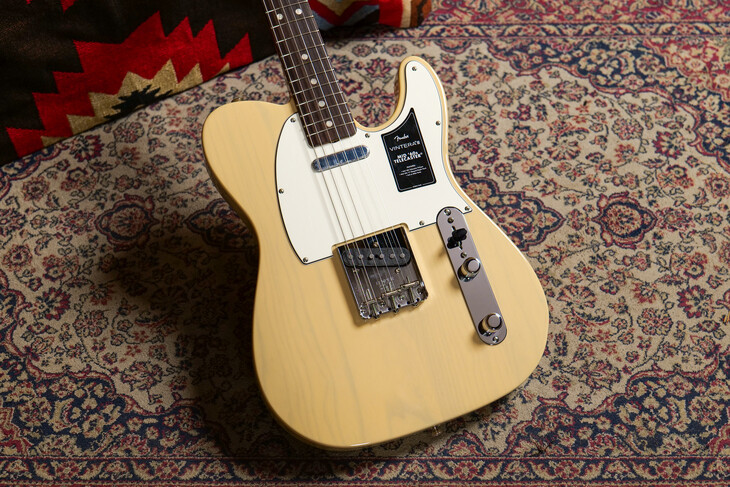
- T-style guitars
T-style guitars are simple, reliable and incredibly effective. Brands such as Fender and Squier offer excellent entry-level options that focus on clarity and straightforward controls.
These guitars are great for players who prefer a no-fuss approach and want something that is easy to understand and maintain.
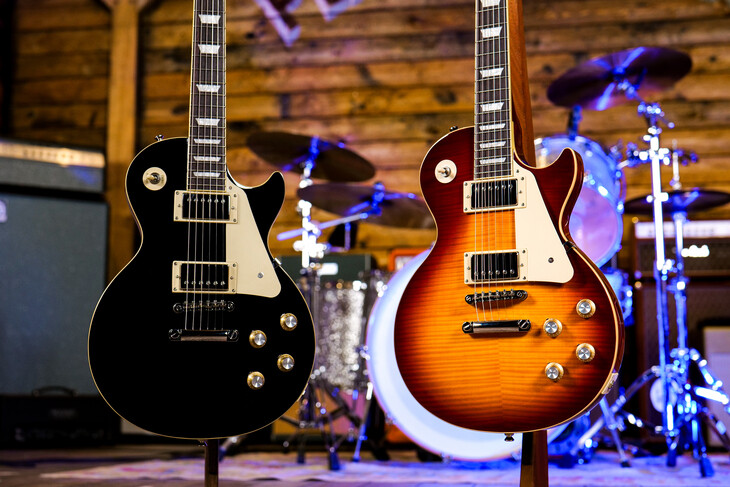
- Single-cut and classic rock guitars
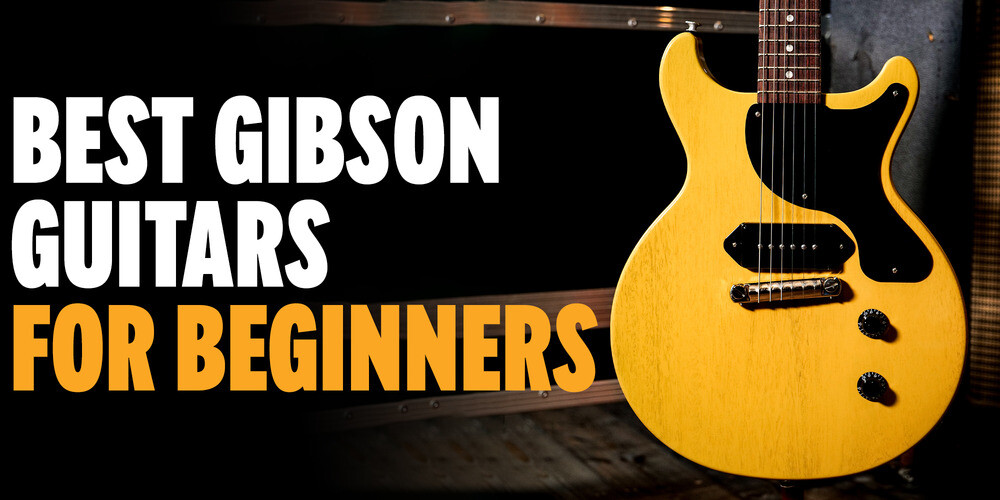
If you are drawn to classic rock tones or prefer a slightly thicker sound, single-cut guitars are a strong option.
Beginner-friendly models from Epiphone, such as Les Paul and SG style guitars, offer warm, powerful tones with straightforward controls. They are ideal for rock, blues and heavier styles, and often feature humbuckers that provide a fuller sound compared to single-coil designs.
These guitars can feel slightly heavier than S-style instruments, but many players enjoy the solid feel and sustain they offer.
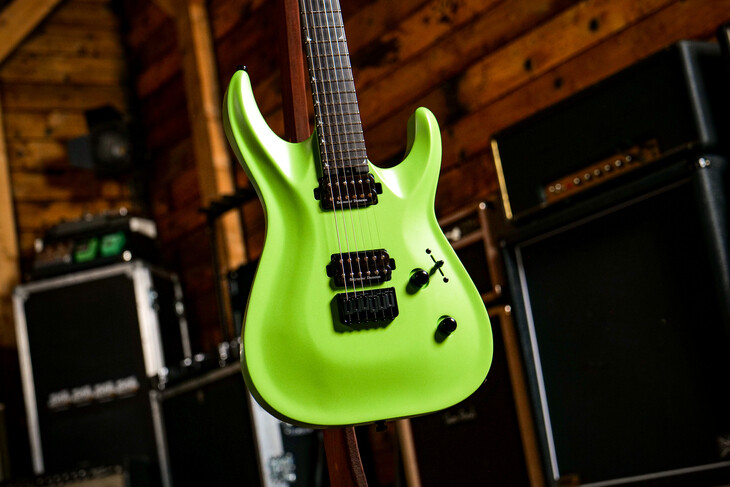
- Modern rock and metal guitars
If your goal is heavier music, you may prefer a guitar designed with higher output pickups and a faster neck. Brands like Ibanez, Jackson and ESP produce beginner-friendly models that suit rock and metal particularly well.
These guitars often feature humbuckers and flatter fretboards, making them comfortable for faster playing.
Do you need an amplifier?
An electric guitar needs an amp to produce sound properly, so this is an essential part of your setup.
A good electric guitar amplifier for beginners should be simple to use, compact and reliable, and capable of producing clean and distorted tones.
Many beginner players choose small practice amps that include built-in effects. This allows you to experiment with different sounds without additional equipment.
Should you buy a beginner guitar bundle?
Starter bundles can be a convenient option, especially if you are starting from scratch. They often include a guitar, an amplifier, a cable, a strap and basic accessories.
While bundles offer value, it is worth checking the quality of each component. In some cases, buying a slightly better guitar and amp separately can provide a better long-term experience.
How much should you spend?
Budget is always a factor, but beginner guitars are better than ever. A realistic starting range is entry level at £150 to £300 and mid beginner range at £300 to £600.
Spending a little more can improve build quality and playability, but you do not need to invest heavily to get started.
What matters most for beginners?
When all factors are considered, three things matter more than anything else. Comfort, playability and inspiration.
If a guitar feels good and makes you want to play, it is the right choice. Everything else can evolve over time. We offer a wide selection of electric guitars here at Peach Guitars, which allows you to explore different shapes, brands and setups until something clicks.
The best electric guitar for beginners is not defined by brand, price or popularity. It is defined by how it fits you as a player.
Focus on comfort, choose a reliable brand and pair your guitar with a simple amp that encourages experimentation. From there, the most important step is simply picking it up and playing.
Your first guitar does not need to be perfect. It just needs to get you started.